Skip to content
Termite Pest Control in Long Island, NY

Professional Termite Control & Treatment on Long Island

Your Reliable Termite Exterminators on Long Island

Servicing Nassau County | Western Suffolk County

Termite activity usually isn’t visible right away. It happens behind walls, beneath flooring, and inside structural wood, gradually weakening the home over time. On Long Island, it often begins in the soil and moves into a structure through small gaps around the foundation.

By the time it’s noticeable, the damage can already be significant—and this type of repair is typically not covered by insurance. That’s why identifying the activity early and taking the right approach matters.

Our licensed Nassau County and Suffolk County termite exterminators start with a detailed termite inspection to uncover hidden activity and determine how termites are getting in, then applies the right treatment to stop the problem and provide long-term protection. Call EM Pest Control today for professional termite control and protect your biggest investment.

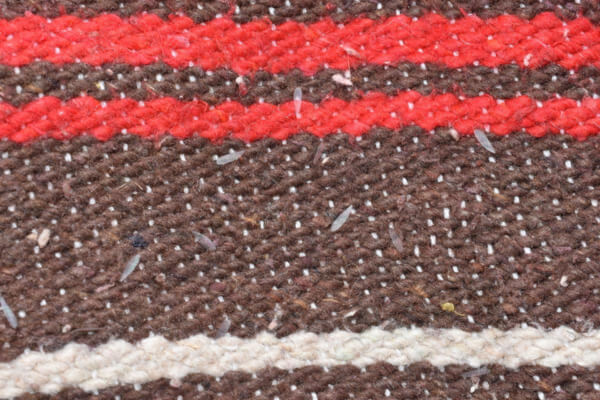
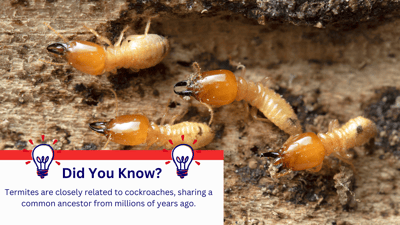
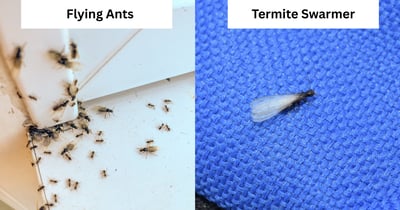
Eastern Subterranean termites swarmers and workers

Winged termites (swarmers) are often the first visible sign of termite activity. If you’re seeing these indoors, there’s usually an active colony nearby or inside the structure.

The lighter-colored termites around them are workers. They stay hidden and are responsible for the damage inside wood, walls, and structural areas.

Where Termites Get Into Homes on Long Island

Eastern Subterranean termites live in the soil and enter homes through hidden structural gaps. On Long Island, we consistently find activity starting in the same areas—usually where the structure meets the ground or where moisture builds up.

During our inspections, we’re not just looking for termites—we’re identifying exactly where they’re getting in so the problem can be stopped at the source.

Small foundation cracks can give termites direct access from the soil into the structure. These openings often go unnoticed but are one of the most common entry points we find during inspections.
Where slabs meet—such as basement floors or garage slabs—there are natural gaps that termites can use to move into the home while staying protected.
Gaps around water lines, gas lines, and electrical conduits allow termites to enter unseen. These are one of the most consistent entry points we find on Long Island homes.
When wood framing, siding, or structural elements are in direct contact with the soil, termites can move directly into the structure without needing to build visible tubes.
Areas with poor drainage, leaks, or water buildup around the foundation create ideal conditions for termite activity. Excess moisture keeps the soil and surrounding materials more attractive to termites and can make hidden activity more likely.

Why Termites Are a Serious Problem

A termite infestation doesn’t start with obvious signs — it usually starts quietly inside the wood. Eastern Subterranean termites feed continuously, weakening the beams, joists, sill plates, and framing that support your home. On Long Island, where moisture and soil conditions are ideal for termites, most activity goes unnoticed until the damage is already advanced.

Termite damage is not covered by homeowners insurance, which means repairs come directly out of pocket. That’s why early termite prevention and routine inspections are so important. The sooner the activity is found and treated, the easier it is to stop the damage and protect the structure.

Signs of Termite Activity

These are some of the signs we commonly see during termite inspections.

Mud Tubes

Thin, dirt-colored tubes along foundation walls or basement surfaces are a common sign of termite activity. These tubes allow termites to travel between the soil and the structure while staying protected.

If you’re seeing mud tubes, it usually means termites are actively moving between the ground and your home.

Termite Swarmers

Winged termites inside or just outside the home—usually near doors, windows or light—are one of the first visible signs of termite activity.

When swarmers appear indoors, it often means there is an active colony nearby or already inside the structure.

Wood Damage

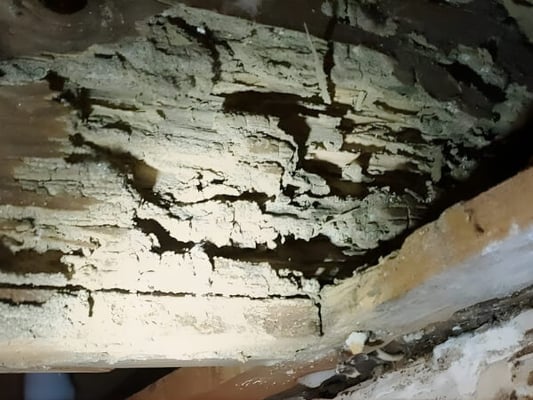
Wood that sounds hollow when tapped or appears weak, blistered, or breaking apart can be a sign of termite activity. Termites feed from the inside out, so damage often develops behind the surface before anything looks obvious.

By the time this type of damage is visible, there’s usually already activity inside the structure.


Discarded Wings

Small piles of translucent wings near windowsills, doors, or floors are often left behind after termite swarmers settle.

When you’re seeing discarded wings indoors, it usually means termites have already established activity inside or very close to the structure.

How Our Treatments Work

Every termite situation is different. The right approach depends on where the activity is coming from and how termites are getting into the structure. At EM Pest Control, we don’t use a one-size-fits-all approach—we recommend the treatment that addresses the source of the problem and provides long-term protection.

Installing Termite Bait Stations

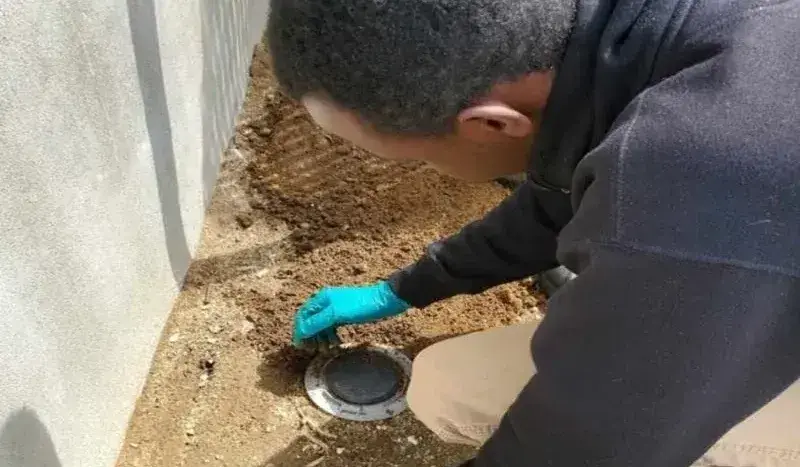
Termite bait stations are installed in the soil around the structure to target activity at the source. Foraging termites feed on the bait and carry it back to the colony, allowing it to spread and eliminate the colony over time.

  • Targets the termite colony at the source

  • Ongoing monitoring for new activity

  • Minimal disruption to the structure and surrounding areas

Learn more about our baiting system.

installing termite bait station

Installing Termite Bait Stations

Termite bait stations are installed in the soil around the structure to target activity at the source. Foraging termites feed on the bait and carry it back to the colony, allowing it to spread and eliminate the colony over time.

  • Targets the termite colony at the source

  • Ongoing monitoring for new activity

  • Minimal disruption to the structure and surrounding areas

Learn more about our baiting system.

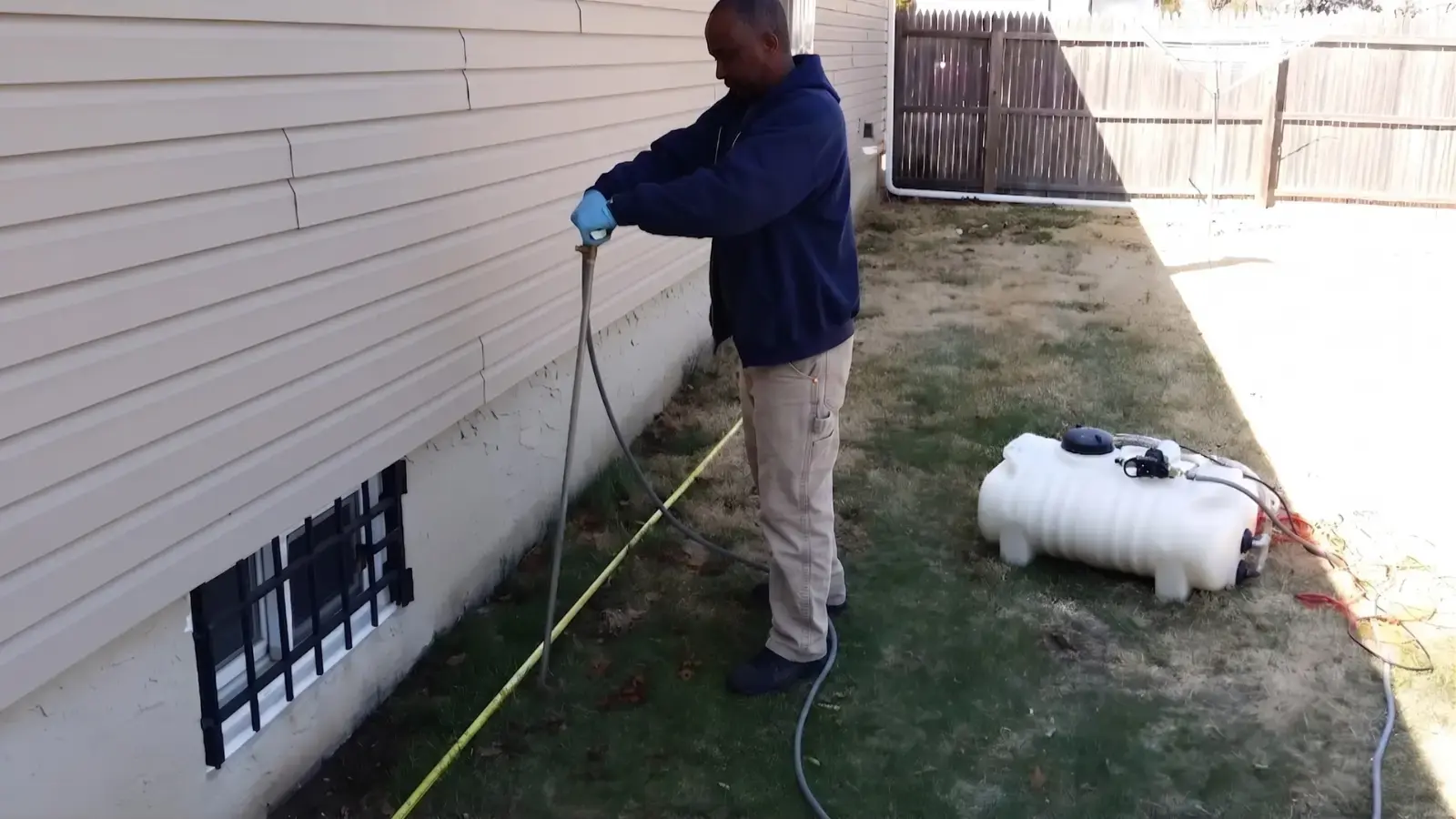
termite liquid treatment

Termite Liquid Treatment

Liquid termite treatment is applied to the soil around and along the foundation to create a protective barrier. When termites come into contact with the treatment, it helps stop them from reaching the structure and continuing activity inside.

  • Effective against Eastern Subterranean termites
  • Protection begins immediately after treatment
  • Long-lasting defense around the structure

A Proper Termite Treatment Starts With a Proper Inspection

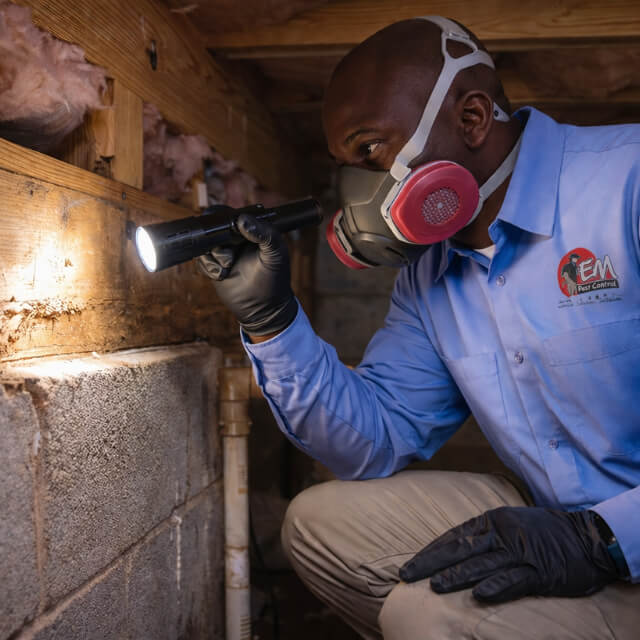
Before recommending bait stations, liquid treatment, or a combination of both, we inspect the structure to identify where termites are active, how they’re getting in, and what conditions are allowing the problem to continue.

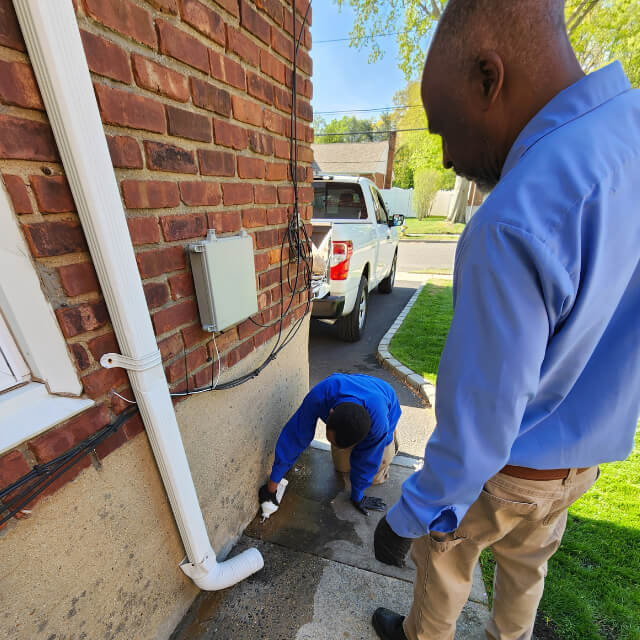
technician performing a termite inspection

A Proper Termite Treatment Starts With a Proper Inspection

Before recommending bait stations, liquid treatment, or a combination of both, we inspect the structure to identify where termites are active, how they’re getting in, and what conditions are allowing the problem to continue.

Why Choose EM Pest Control

House inspection icon

We Fix the Problem at the Source

We don’t just come in, spray, and leave. We look for how pests are getting in—gaps, cracks, moisture spots, and the small areas most people never notice—so we can stop the problem where it actually starts.

Family home icon

Family-Owned Company

We’re a family-run business, and our name is on every job. That means we take the work personally and treat your home with the same care and attention we’d want for our own.

Location pin icon

Local to Long Island

We work in Long Island homes every day, including basements, crawl spaces, older siding, and tight property lines, so we know where pest problems usually begin and what actually works here.

Speech bubble icon

Clear, Simple Communication

You’ll always know who’s coming, when they’re coming, and what was done. We explain everything the same way we would to a neighbor—straight, simple, and easy to understand.

Time icon

Reliable and Consistent

Your appointment time matters to us. We show up when we say we will, and if anything needs to shift, we reach out beforehand so there are no surprises.

Pest control icon

Targeted Treatments That Work

We treat the areas pests actually use—like cracks, gaps, entry points, wall voids, and travel paths—so the service is focused and effective instead of spraying everything without a plan.

Clean house icon

Respect for Your Home

We take care while we’re in your space. Boot covers on, equipment clean, and everything left exactly the way we found it.

Satisfaction guarantee icon

100% Satisfaction Guarantee

If something needs more attention after a visit, we come back and take care of it at no charge. Our goal is to solve the problem ang give you peace of mind, not just complete a service.

See What Our Long Island Customers Are Saying About Us

Dianne A. Google review profile photo
Dianne A.
Google Review
★★★★★
EM Pest Control handled our termite problem and pesty basement crickets. We have never had a problem since they have been to our home.
Audrey W. Google review profile photo
Audrey W.
Google Review
★★★★★
The service is impeccable. The technicians are punctual and very easy to talk to. Once they assess your situation, a solution is recommended specifically for your needs. You’re not given a cookie-cutter solution.
Tyrone M. Google review profile photo
Tyrone M.
Google Review
★★★★★
Devin came, inspected the house, and found the problem. Then he told me what needed to be done, gave me a price, and started right then. As he inspected more, he found termite damage and addressed that also. Very professional and works around your schedule.
William S. Google review profile photo
William S.
Google Review
★★★★★
Excellent communication and service. Thorough inspection and evaluation of our perpetual pest problem. Professionally handled the situation with efficacy and smart suggestions to avoid future incidents. Thank you Eric and Devin!

Frequently Asked Questions

The cost for termite treatment will vary, depending on your location and your home’s specific needs. To get a better understanding of how much termite treatment is for your home, schedule a termite inspection.

DIY products may help reduce risk in limited situations, but they rarely address an active infestation. Termites live and feed inside structural wood and soil, which typically requires professional-grade treatment to resolve fully.

Professional termite treatments are designed for long-term protection. Depending on the method used, treatments can remain effective for years when installed correctly and paired with routine inspections.

It’s possible, which is why prevention matters. Proper treatment significantly reduces the risk, and ongoing inspections help catch any new activity early before damage progresses.

Yes. This is a very common concern. Treatments are applied in specific areas according to strict guidelines and are designed to be safe when handled by licensed professionals.

In most cases, no. Termite treatments are usually performed around the foundation or in targeted areas and don’t require you to vacate the property.

Regular inspections as part of routine maintenance are a smart way to catch issues early, particularly if the property has had termites before.

If you notice signs like mud tubes, damaged wood, or discarded wings—or even if something just doesn’t look right—it’s best to have it checked. Early evaluation gives you more options and helps prevent unnecessary damage.

Get a FREE Quote

Ready to Protect Your Property from Termites?