★★★★★
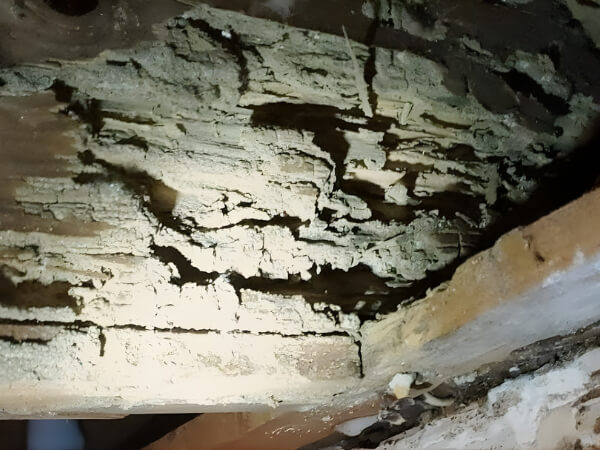
"EM Pest Control handled our termite problem and pesty basement crickets. We have never had a problem since they have been to our home."
★★★★★
"The service is impeccable. The technicians are punctual and very easy to talk to. Once they access your situation a solution is recommended specifically for your needs. You’re not given a cookie cut solution."
★★★★★
"Devin came, inspected the house, and found the problem. Then he told me what needed to be done and gave me a price. Then he started right then. As he inspected more, he found termite damage, so he addressed that also. Very professional and works around your schedule."
★★★★★
"We use EM Pest Control for preventative maintenance at my place of business. Even when we have those pesky seasonal pests such as ants or cave crickets, Devin and his team are very responsive and make us feel like valuable customers. They take a proactive approach to pest control which is appreciated. We value our professional working relationship with them. Highly recommend!"
★★★★★
"Devin arrived on time, conducted a thorough inspection, and clearly explained the issue and treatment plan. He followed up afterward and provided helpful prevention tips. Professional, knowledgeable, and easy to work with — highly recommend."
★★★★★
"Amazing work. They gave great insight on things to look out for. Definitely appreciate them and recommend them as well."
★★★★★
"Excellent service. Fair and honest price. Took his time to explain and provide everything required. I highly recommend and would call back."
★★★★★
"EM Pest Control, and Devon in particular, provided excellent preventative service, quickly handling a small ant issue and carpenter bees. Devon was knowledgeable, clear, patient, and very professional. The experience gave me peace of mind, and I would highly recommend them."
★★★★★
"I’ve used Eric Middleton for exterminating two of my properties. Eric takes his time educating us and communicates well about the pests that are invading our home and what he’s going to do to treat them. He’s very patient with us and walks around the premises showing us where they may enter. Eric uses kid- and pet-friendly solutions, which is a plus. Overall, I’m very happy with the results and highly recommend."
★★★★★
"Efficient, professional, and timely service. Provided detailed information regarding assessment and treatment options. Very courteous and respectful. Would definitely use services again and highly recommend."
★★★★★
"Exceptional and reliable service by EM Pest Control. Highly recommend."
★★★★★
"Thank you so much. This company has done a phenomenal job serving my home. Getting ready to use them again. Wonderful service. I have not had great mosquitoes since using this company like I did in the past. Thank you so much Devin. An expert in what he does."
★★★★★
"Excellent communication and service. Thorough inspection and evaluation of our perpetual pest problem. Professionally handled the situation with efficacy and smart suggestions to avoid future incidents. Thank you, Eric and Devin!"
★★★★★
"EM Pest Control exterminators are very knowledgeable and effective professionals. I have been using their services for my main home and rental property for the last 3 years. I am happy with their services and would definitely recommend them."
★★★★★
"Knowledgeable, thorough, and effective. Their staff is professional, efficient, and educates the customer to get the best results. I highly recommend EM Pest Control."
★★★★★
"I had an infestation of roaches and ants. With one treatment both were contained. I have EM Pest Control come monthly and I no longer have a roach or ant problem. They are very responsive and professional. Would recommend them to anyone."
★★★★★
"I’ve worked with many well-known pest control companies in the past and I was hopeless about actually finding a pest control company that can truly get rid of mosquitoes. EM Pest Control surprised us. My entire friends and family use them, and we are all very satisfied with the quality and level of professionalism. Thank you so much!"
★★★★★
"I had an infestation of roaches at my rental home. Within a month’s time, it was all cleared up due to the professional, excellent work done. I would highly recommend them."
★★★★★
"After months of trying home remedies, store-bought sprays, traps, and darn near getting a cat to solve my problems, I finally gave in and left it to the professionals. So glad I did. Wish I’d done it sooner. Devin is very polite and professional and made me feel at ease with the knowledge of this business. He answered all of my questions. To date I haven’t seen any evidence of activity. I’d recommend this company and look forward to a continued successful relationship. You can’t put a price tag on peace of mind."
★★★★★
"I highly recommend using EM Pest Control. They are thorough, responsibly priced and accessible. If ever I have a rodent issue I call and they’re usually able to accommodate me either the same or next day. In addition to being friendly they are professional and sure to eradicate any past or potential future pest issues."

.jpg)
%20(1600%20x%20600%20px).webp)
.webp)