Ants are one of the most common pest problems homeowners deal with in the spring, especially across Long Island. As temperatures rise, ants become more active and start searching for food, water, and places to nest. This often leads them indoors.
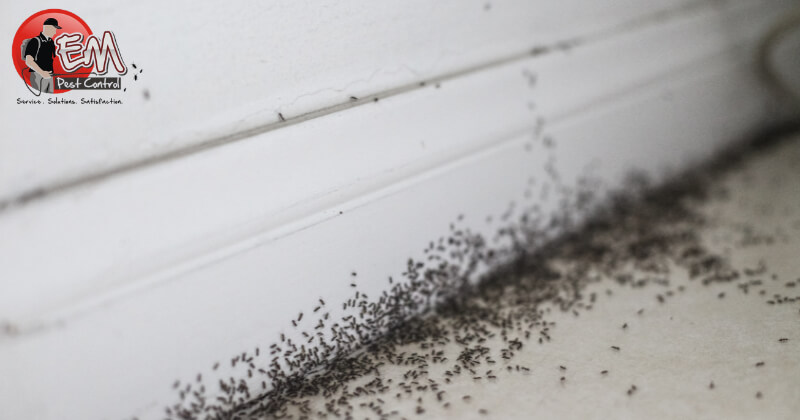
What may begin as a few ants in the kitchen or along baseboards can quickly turn into a larger issue. If the source is not addressed, activity usually increases over time.
Why Ant Activity Increases in the Spring
During the winter, ant colonies stay hidden inside walls, soil, or other protected areas. As the weather warms up, their activity increases, and they begin searching for food and moisture.
In many Long Island homes, ants are drawn inside by easy access to food, excess moisture, and small entry points. Seasonal conditions, such as higher humidity and rainfall, can also make indoor spaces more favorable.
Where Ants Are Getting Into Your Home
Most ant problems start outside and move indoors through small openings. Even minor gaps can give ants a way inside.
Common entry points include:
- cracks in the foundation
- gaps around doors and windows
- openings around utility lines
- siding and roofline gaps
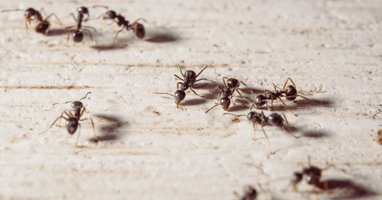
Once ants find a food source, they leave scent trails. These trails allow other ants to follow, which increases activity inside the home.
How to Prevent Ants in the Spring
Taking early steps can help reduce ant activity around your home. The goal is to limit access to food, moisture, and entry points.
Simple steps include:
- keeping food sealed and surfaces clean
- fixing leaks and reducing moisture
- sealing gaps around doors, windows, and foundations
- trimming vegetation away from the home
- keeping outdoor areas clean
These steps can reduce activity, but they may not eliminate the problem if a colony is already nearby.
Why Ants Keep Coming Back
If ants keep showing up, the colony is usually still active nearby. What you see inside is only a small part of the problem.
Ants leave scent trails when they find food. These trails guide other ants back to the same spot. This is why activity often increases over time—even after cleaning or basic treatment.
In many cases, the colony is hidden in areas that are hard to reach, such as:
- inside walls
- under the foundation
- in soil around the home
As long as the colony remains active and entry points are available, ants will continue to return. This is why surface-level treatments often provide only temporary results.
When to Call a Professional for Ant Control
If ants keep coming back or appear in multiple areas, the problem may be more established. This is also true if activity returns shortly after treatment.
Professional ant control focuses on finding the source of the problem. It includes identifying the species, locating the colony, and treating it directly. This helps prevent future activity instead of just reducing it temporarily.
Ant Control FAQs

%20(1).png?height=200&name=rod%20(1200%20x%20628%20px)%20(1).png)