German cockroaches are one of the most common indoor pests found in Nassau County homes and businesses. Their small size makes them easy to overlook, but they can multiply quickly once they settle into kitchens, bathrooms, or storage areas.
Learning how to recognize the early signs of activity can help prevent a small problem from turning into a larger infestation. This guide explains what to look for and the steps that help reduce the chances of German cockroaches establishing themselves inside your property.
Step 1: Know the Early Warning Signs
Before you start looking in hidden spots, know the subtle clues these pests leave behind. Early detection is key to avoiding a larger infestation.
-
Droppings: German cockroach droppings look like small black specks that resemble ground pepper or coffee grounds. They are often found inside cabinets, along drawer corners, or near food preparation areas.
-
Egg Cases (Ootheca): These small, brown capsule-shaped cases contain developing cockroaches. Each one can hold 30–40 nymphs, which is why populations can increase rapidly if left unchecked.
-
Musty Odor: In heavy cases, you might notice a faint, unpleasant, oily smell.
-
Live Roaches: While they prefer the dark, seeing a small, tan-to-brown cockroach scurrying away when you flip on a light is a definite sign.
Step 2: Check Kitchen Hotspots
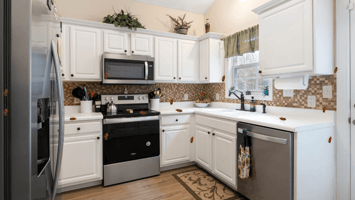
The kitchen is a German cockroach favorite because it provides the three necessities: food, water, and warmth. They are strongly attracted to kitchens because they provide food, moisture, and warmth. Even small amounts of grease or crumbs can support an infestation. Warm spots near appliances and sinks are prime targets. Be sure to check:
-
Behind and under large appliances (refrigerator, stove, dishwasher). Pull them out, if possible, to clean accumulated grease and crumbs.
-
Under the sink and around plumbing pipes, where moisture is present.
-
Inside cabinets and drawers, especially in corners and under shelf liners.
-
Small cracks and crevices in pantry areas where packaged foods are stored.
Step 3: Check Bathroom Hotspots
These pests also love moisture! Your bathroom provides the damp, humid environment they need to thrive. Focus your bathroom inspection on these areas:
-
Behind and under the toilet.
-
Under the vanity sink and around drain/plumbing access points.
-
Near shower/tub drains and other damp areas.
-
Cracks and gaps around baseboards and where pipes enter the wall.
Step 4: Check at Night
German cockroaches are primarily nocturnal. A quick inspection at night can reveal activity that may not be visible during the day.
Wait a few hours after sunset, then quietly enter the kitchen or bathroom and turn on the lights. Roaches that were feeding may quickly scatter into cracks, cabinets, or behind appliances.
Step 5: Be Proactive – Prevention is Power
Prevention starts with inspection! The best way to manage cockroaches is by eliminating their access to food, water, and shelter. Make these habits routine:
-
Clean Crumbs: Wipe down counters and clean food spills immediately. Never leave dirty dishes in the sink overnight.
-
Seal Cracks: Use caulk to seal cracks and crevices in walls, floors, and around pipe entry points. This eliminates their entry and hiding places.
-
Control Moisture: Fix leaky faucets and pipes immediately. Do not allow water to stand in sinks or drip pans, as roaches are highly attracted to moisture.
-
Manage Food Storage: Store all dry goods, including pet food, in sealed, airtight containers.
-
Reduce Clutter: Limit storage of cardboard boxes and paper materials, as they provide ideal shelter and breeding material. Recycle unnecessary cardboard promptly.

%20(800%20x%20400%20px).jpg?width=1920&height=600&name=gc%20(1920%20x%20600%20px)%20(800%20x%20400%20px).jpg)
%20(1).png?height=200&name=ac%20(1200%20x%20628%20px)%20(1).png)