If you’re buying or selling a home in Nassau County or Suffolk County, you may be asked to get a WDI inspection. It usually comes up during closing, and most people see it as just another requirement.
But this inspection is more important than it sounds. It’s one of the only times the home is checked for termite activity and the conditions that can lead to it. Knowing what’s being checked—and what’s not—can help you better understand the report and avoid surprises later.
What a WDI / NPMA-33 Inspection Actually Is
A WDI inspection (Wood Destroying Insect inspection) is a visual check for insects that damage wood. This includes termites, carpenter ants, carpenter bees, and wood-boring beetles.
The results are written on a standard form called the NPMA-33, created by the National Pest Management Association. This form is commonly used during real estate transactions in New York, including Nassau County and Suffolk County.
It’s important to understand what this inspection is—and what it isn’t. It’s not a full home inspection, and it’s not a guarantee. It’s a snapshot of what can be seen at the time of the visit.
What Gets Checked During the Inspection
Most of the time, termite activity isn’t out in the open. It shows up in areas people don’t usually look, like along the foundation or inside basement framing.
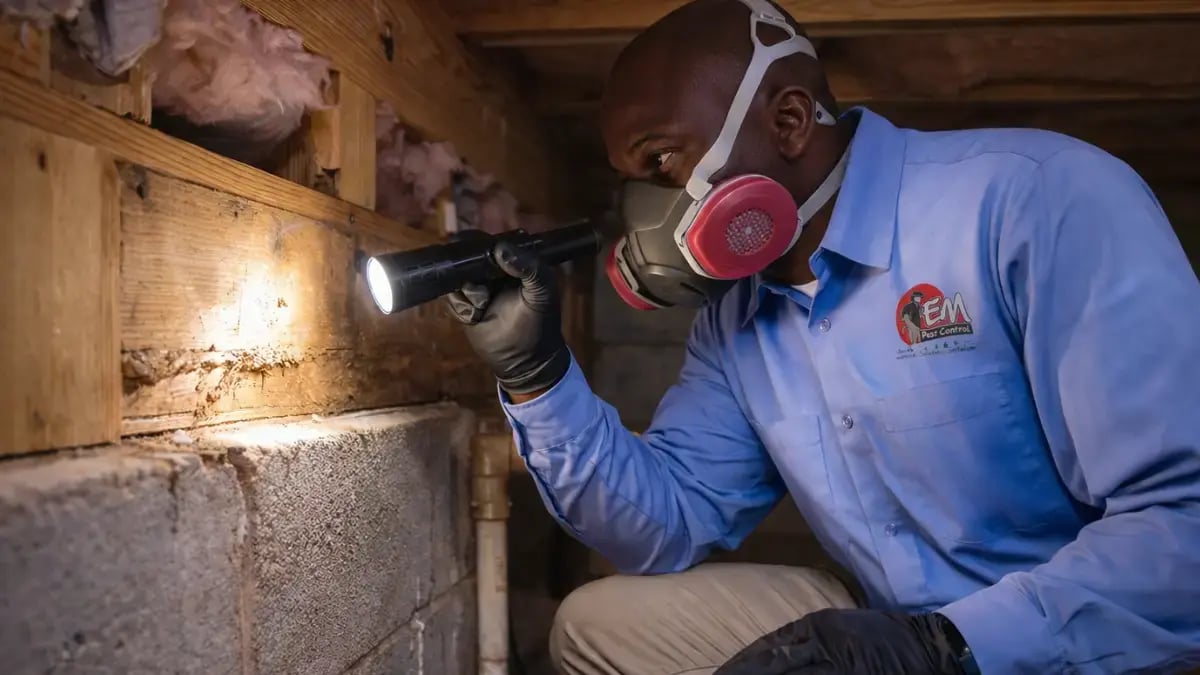
During a WDI inspection, we focus on the areas where problems usually start:
- Basement framing and sill plates
- Crawl spaces and tight areas
- Garage-to-home connections
- Utility entry points (where pipes or wires enter)
- Exterior foundation lines and soil contact areas
Moisture is a big factor. Areas that stay damp are more likely to have termite activity or conditions that attract it. The goal is not just to find insects. It’s to see if the home has conditions that make a problem more likely over time.
What the WDI Report Does Not Mean
A clear NPMA-33 report does not mean the home is completely free of termites. It only means no visible signs were found in the areas that could be checked at the time of the inspection.
It also does not include hidden areas like inside walls, under insulation, or behind finished surfaces. If something cannot be reached or seen, it is listed as inaccessible, and conditions can still exist that allow termite activity to develop later.
Common Findings in Nassau & Suffolk County Homes
Homes on Long Island often show similar patterns. This is due to soil conditions, moisture, and how homes are built.
Some common findings include:
- Termite activity near foundation walls
- Old termite damage from past issues
- Wood touching soil around decks or siding
- Damp basements or crawl spaces
- Mulch or landscaping placed too close to the house
If you’re unsure what you’re seeing, it helps to understand the signs of termite activity before it becomes a bigger issue. These findings don’t always stop a sale. In most cases, they lead to treatment or a simple agreement between buyer and seller.
How a WDI Inspection Affects a Real Estate Transaction
A WDI inspection is not about passing or failing. It’s about making sure everyone understands the condition of the home.
- If termites are found, treatment may be needed before closing
- Buyers and sellers may agree on repairs or credits
- Lenders may require proof the issue was handled
- If nothing is found, the process usually continues as planned
The report helps prevent last-minute surprises and keeps the deal moving forward.
When You Should Schedule a WDI Inspection
Most WDI inspections are done during a home purchase, but they can also be helpful before listing a home. Sellers often choose to do this early to avoid delays later.
If you’re seeing signs like mud tubes, damaged wood, or activity near the foundation, it’s worth scheduling a termite inspection to get clear answers. Even if it turns out to be old damage, you’ll know where things stand before it affects a deal.
Why WDI Inspections Matter on Long Island
Termite activity is common across Nassau County and Suffolk County, and many homes already have the conditions that allow it to develop. Soil contact, moisture around foundations, and older construction all play a role in how these problems start.
In many cases, activity is not obvious. Termites work behind walls, along foundation lines, and inside structural wood where it is not easily seen during normal use of the home. A WDI inspection helps bring those risks into focus before moving forward with a purchase or sale.
WDI Inspection FAQs
How long does a WDI inspection take?
Most WDI inspections take about 30 minutes to an hour, depending on the size of the home and how accessible the areas are. Homes with finished basements or limited access areas may take longer.
Who pays for a WDI inspection in New York?
In most cases, the buyer pays for the WDI inspection. However, this can vary depending on the agreement between the buyer and seller during the transaction.
Is a WDI inspection required for all home purchases?
Not always. It is commonly required for FHA and VA loans, but not every conventional loan requires one. Many buyers still choose to get it for peace of mind.
What happens if termites are found during a WDI inspection?
If termite activity is found, treatment is usually recommended before closing. In many cases, the buyer and seller will agree on how the issue is handled, whether through treatment, repairs, or a credit.
Can a house fail a WDI inspection?
A WDI inspection does not technically pass or fail. It simply reports what is found. The results may affect the transaction, but they do not automatically stop a sale.
How long is a WDI inspection report valid?
Most lenders and transactions require the report to be recent, typically within 30 to 90 days. This can vary depending on the lender and type of loan.

.jpg?height=200&name=bee%20(800%20x%20450%20px).jpg)
.png?height=200&name=bb%20bag%20(1).png)